
A One-Line Story into 23 Breathing Storyboard Frames
From “Mango is older than I am” to “I dreamed I became a kitten,” Skill breaks a life-and-loss story about a child and an orange tabby into 23 narrative beats, outputting cinematic storyboard frames one by one. The emotional flow moves from warmth to sorrow to dreamlike wonder, all while staying visually coherent throughout. This project proves that even without any reference images, Skill can build a complete children’s picture book storyboard sequence from text alone.
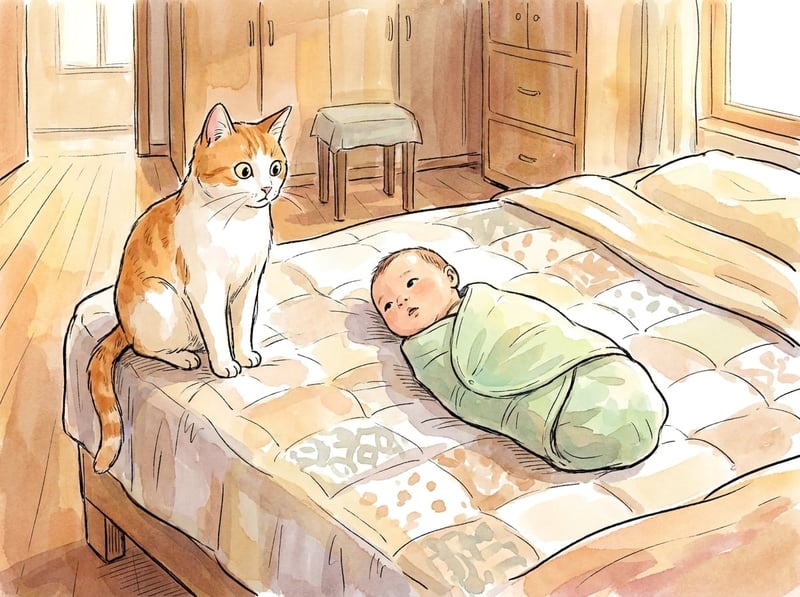
4 chapters, from first brief to final asset.
Turning a Text Outline into Narrative Structure
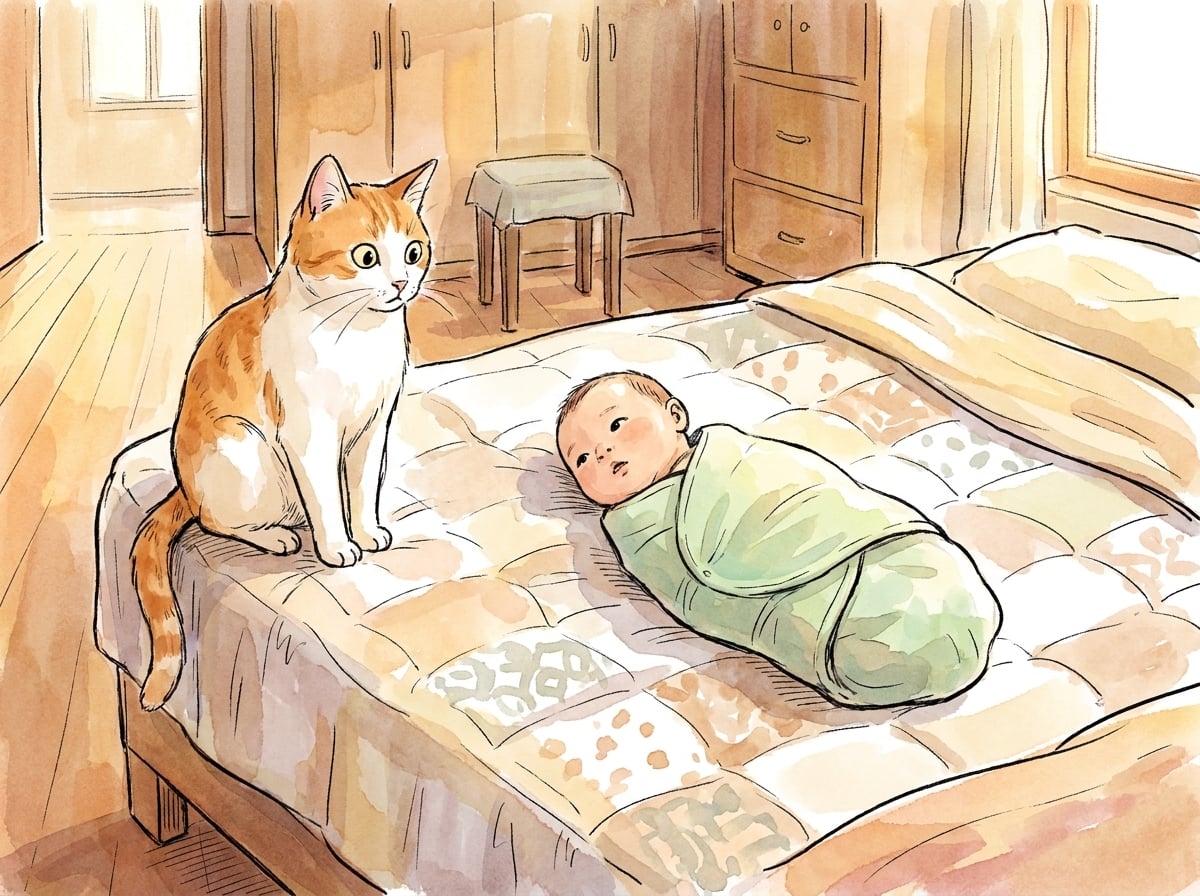
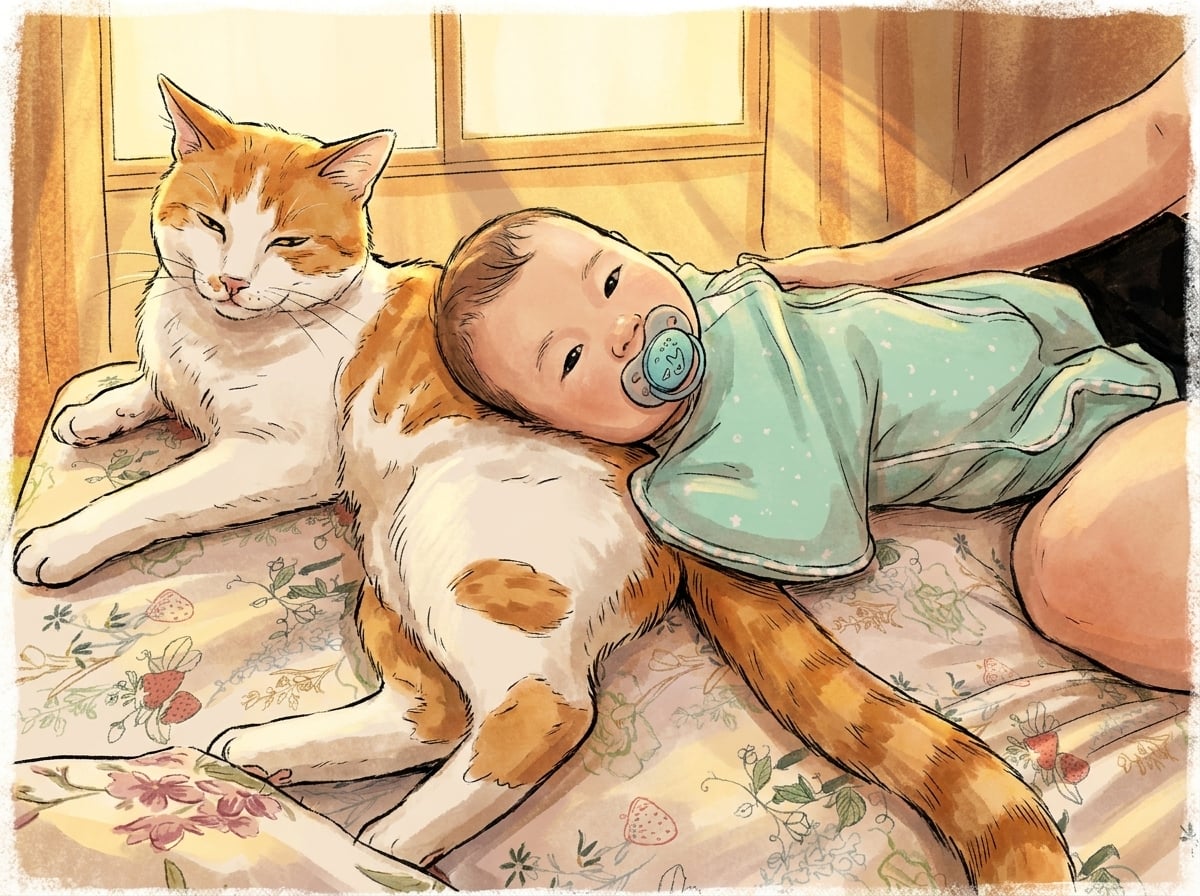
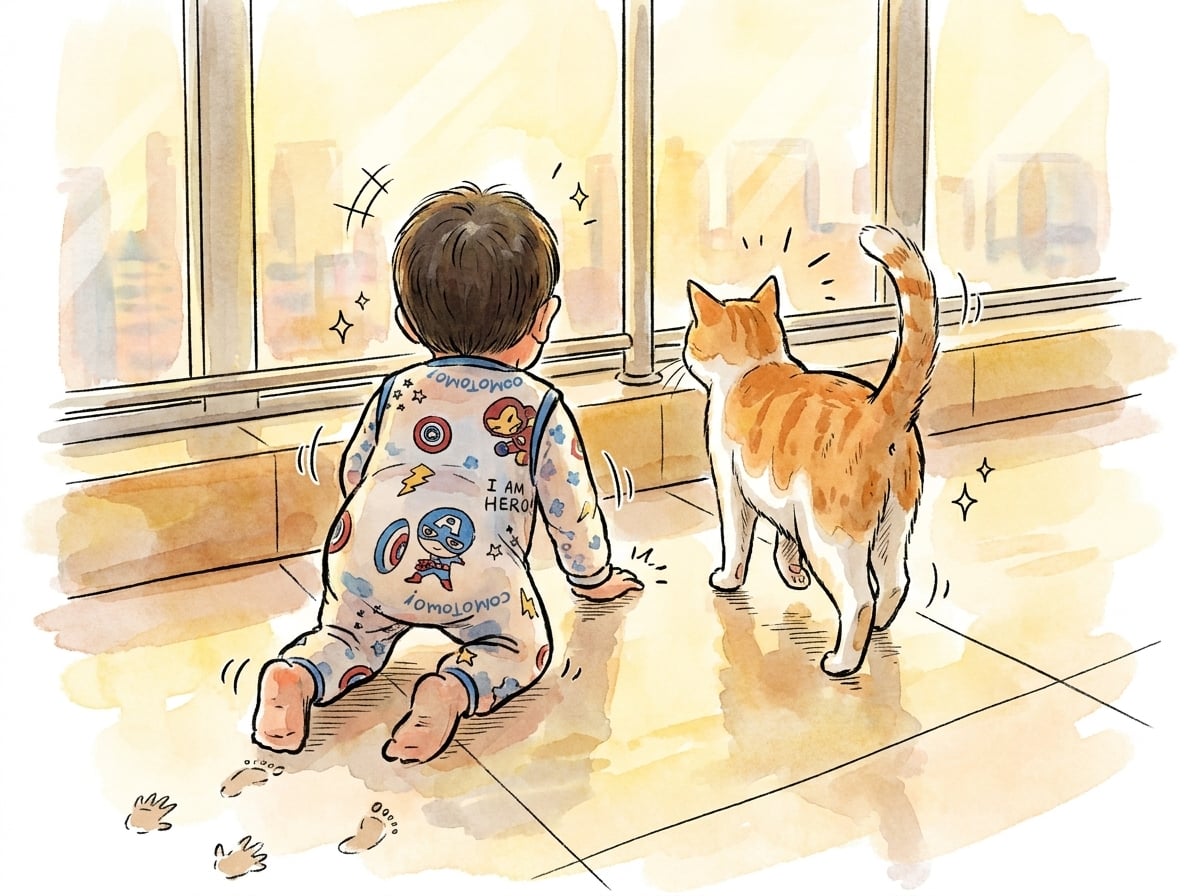
Warm Everyday Frames from the Years of Growing Up
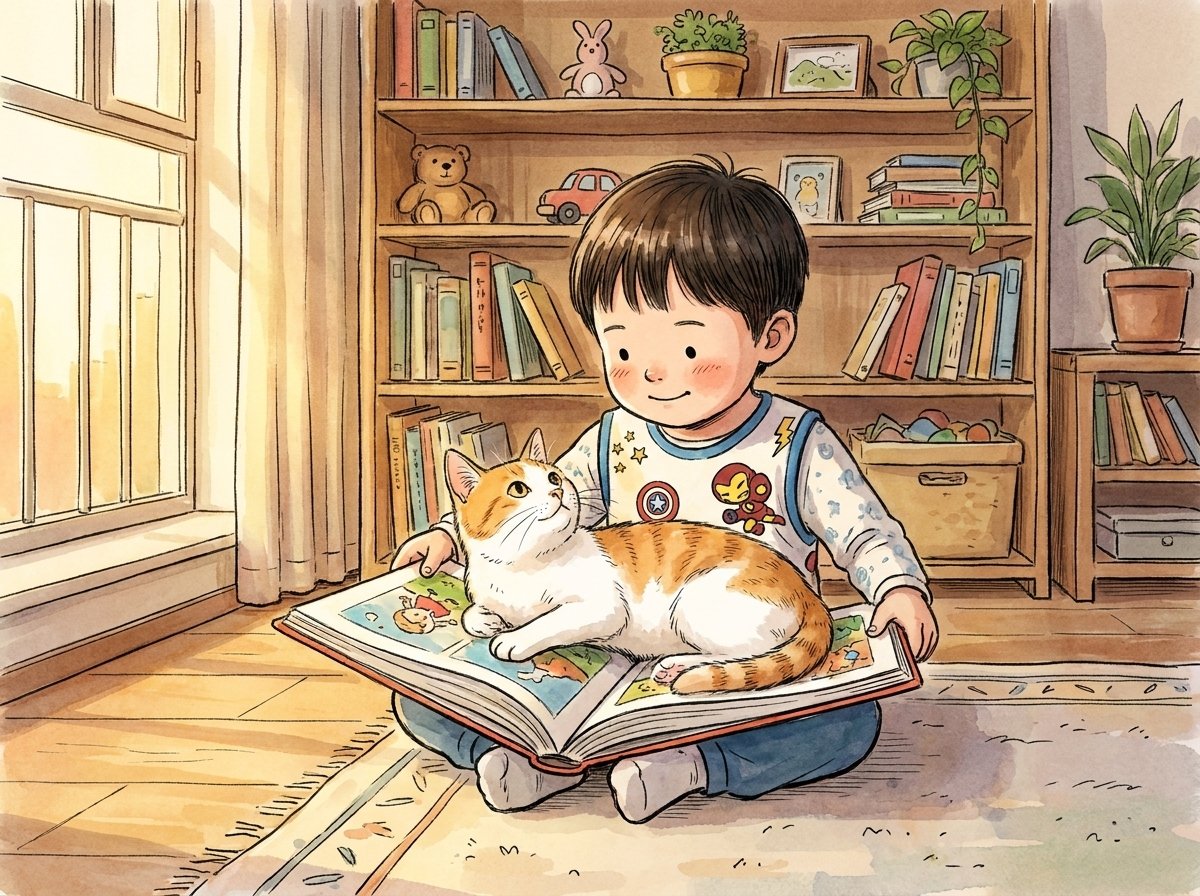
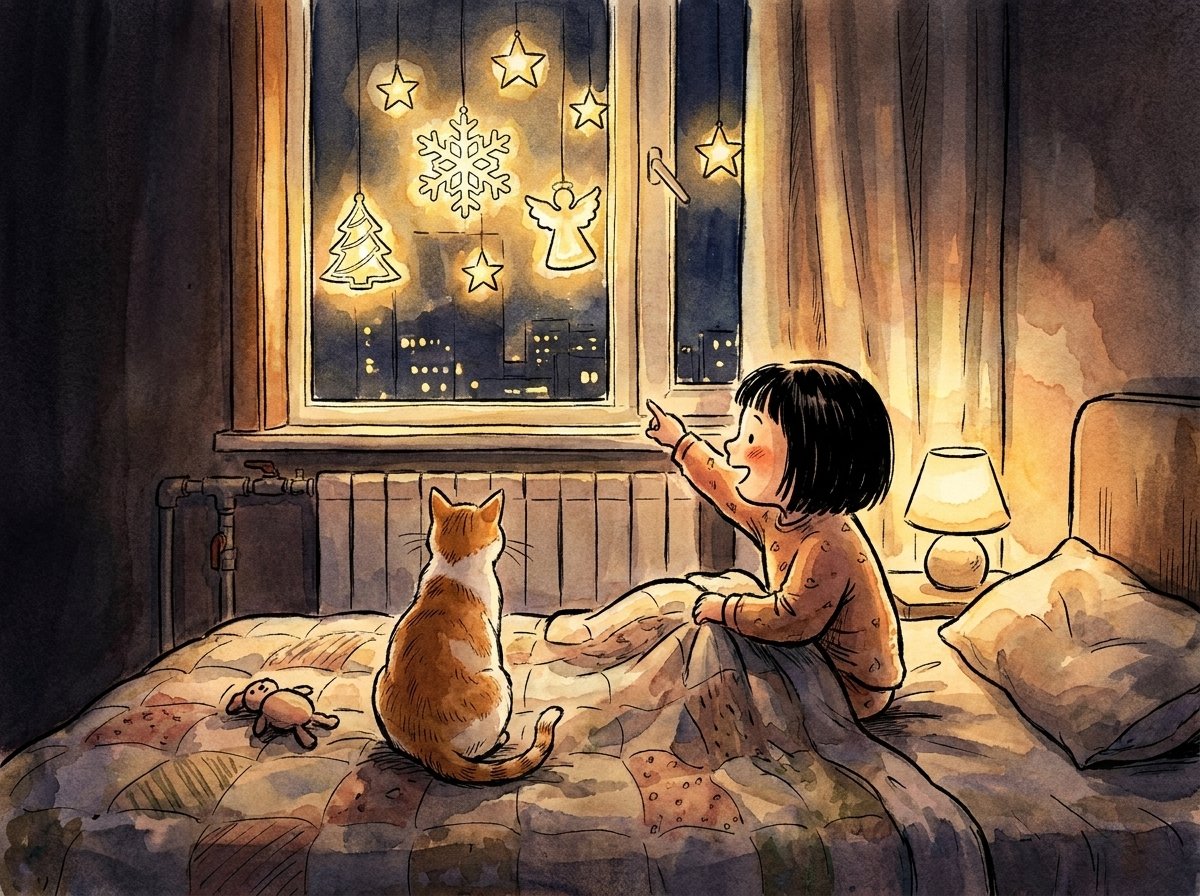
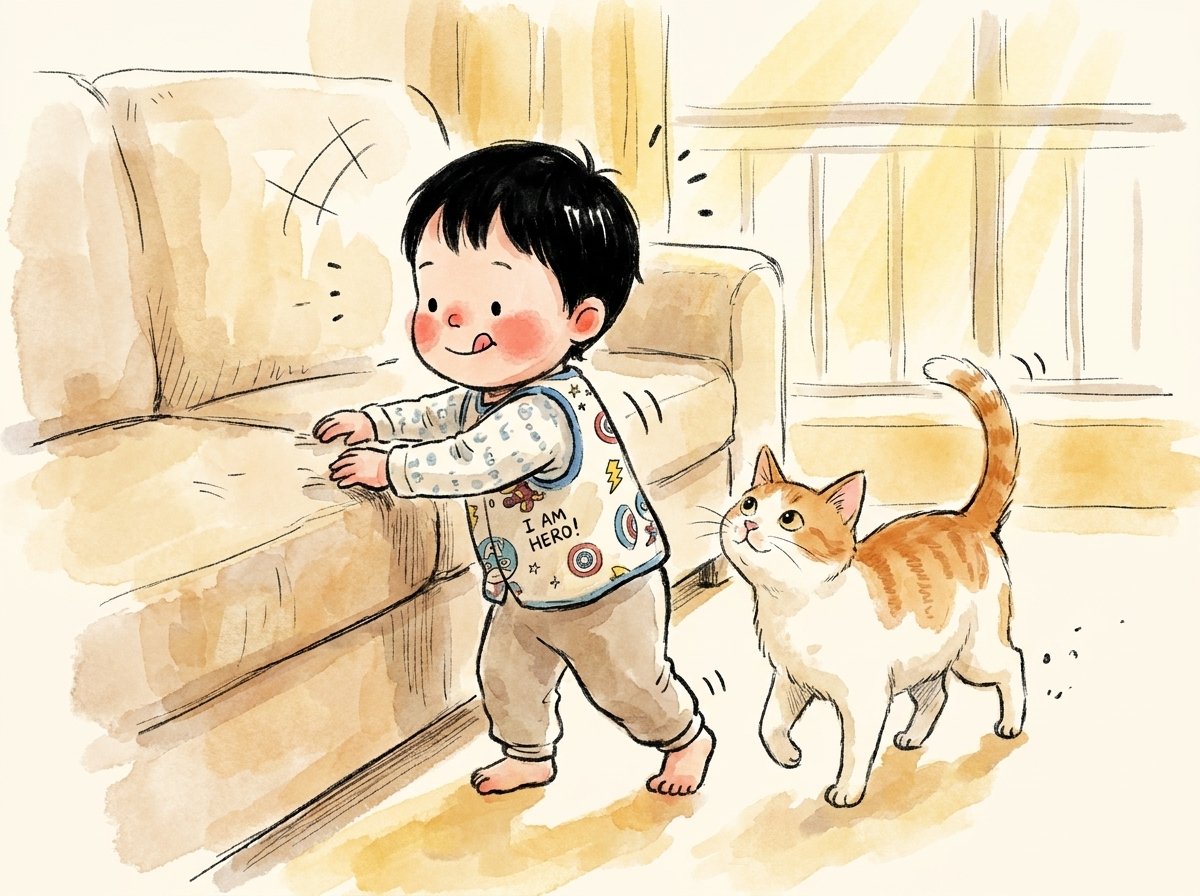
An Emotional Turning Point of Illness and Parting
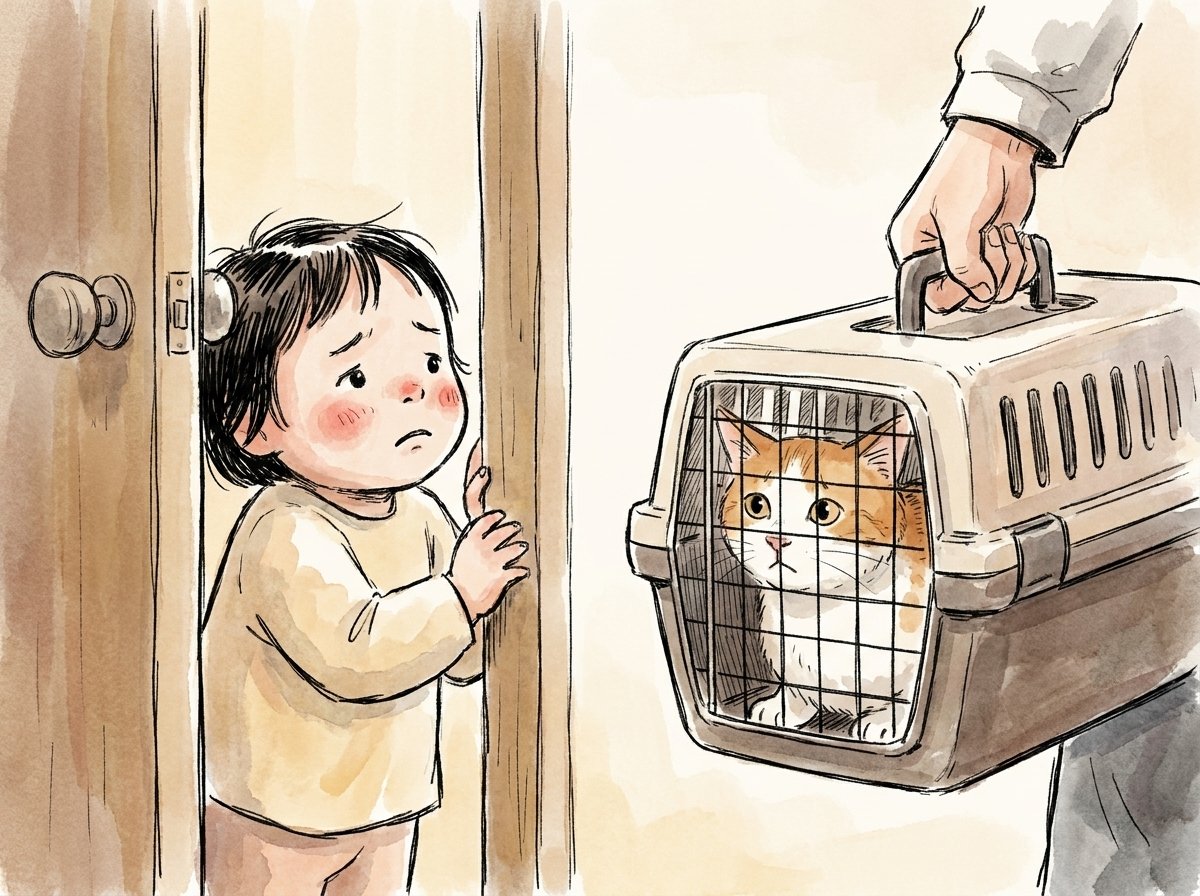
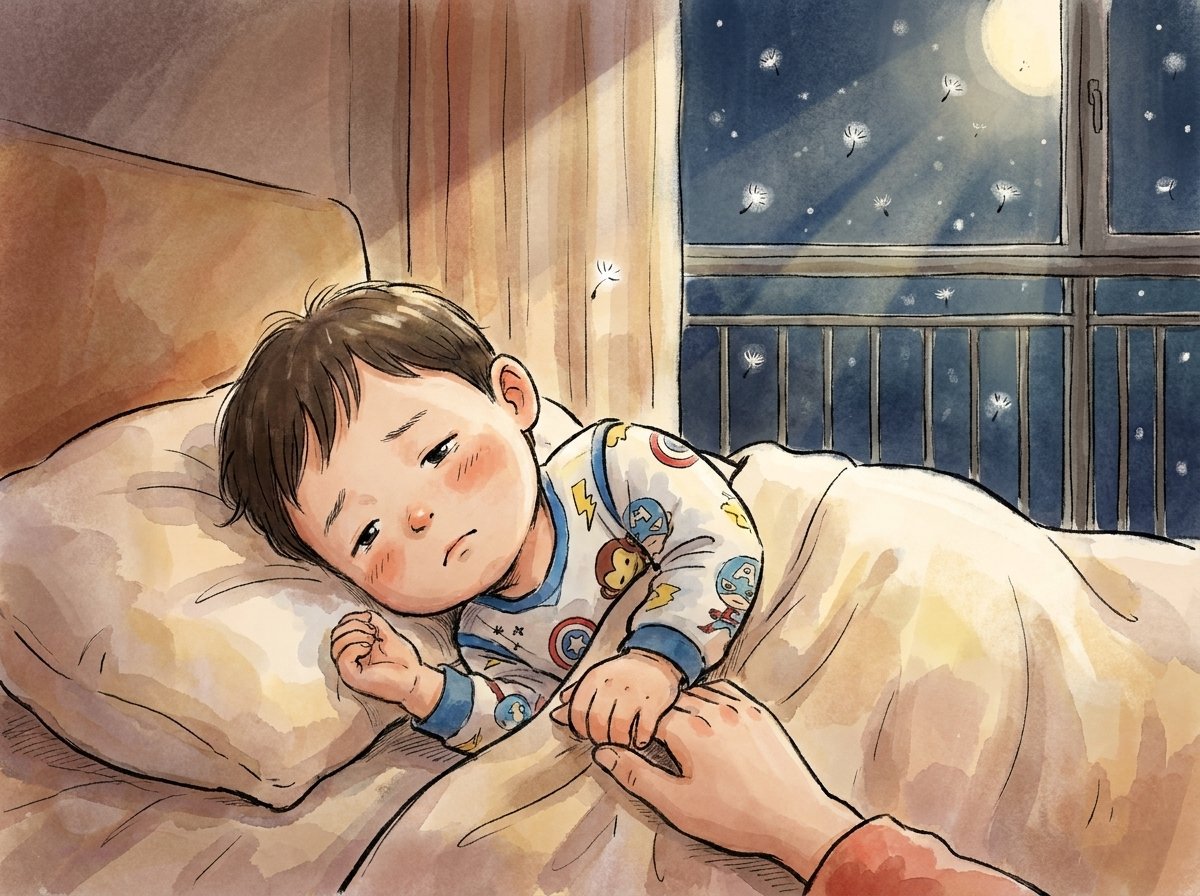
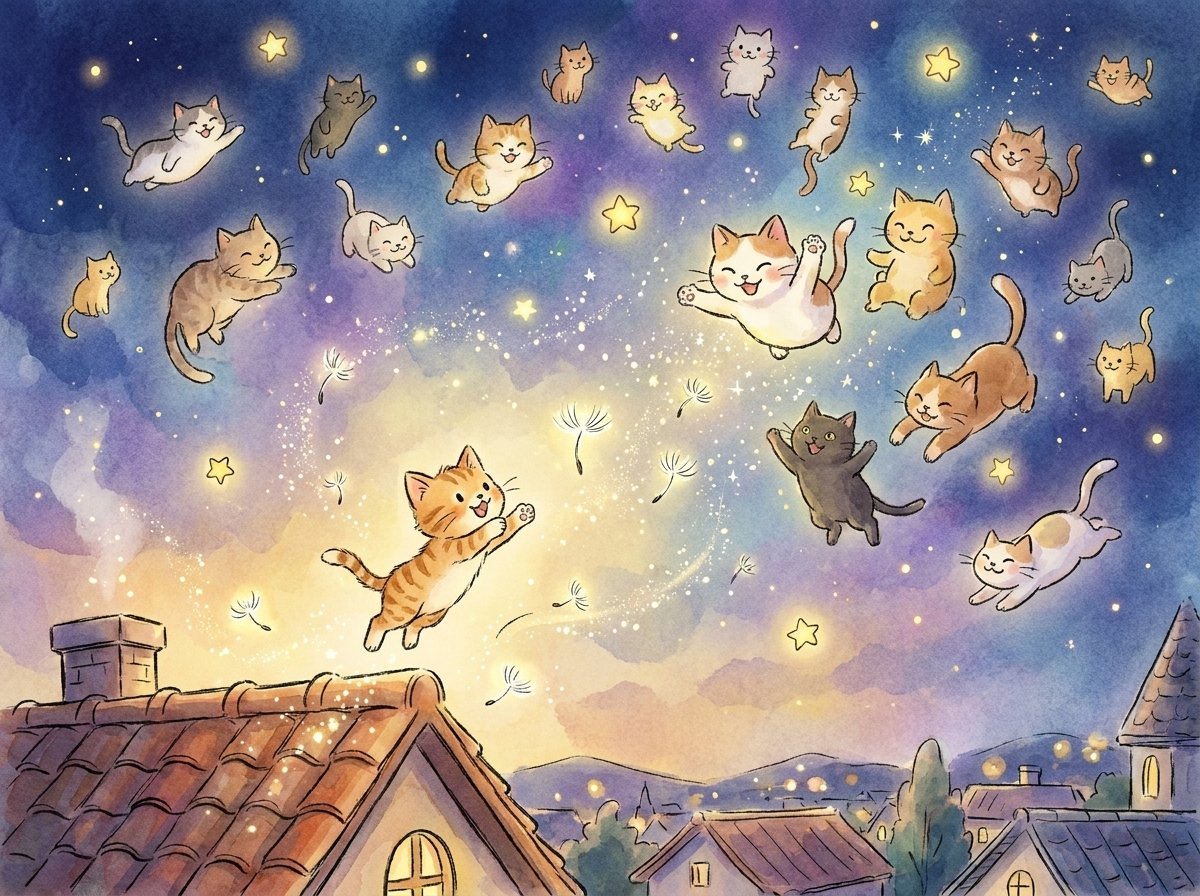
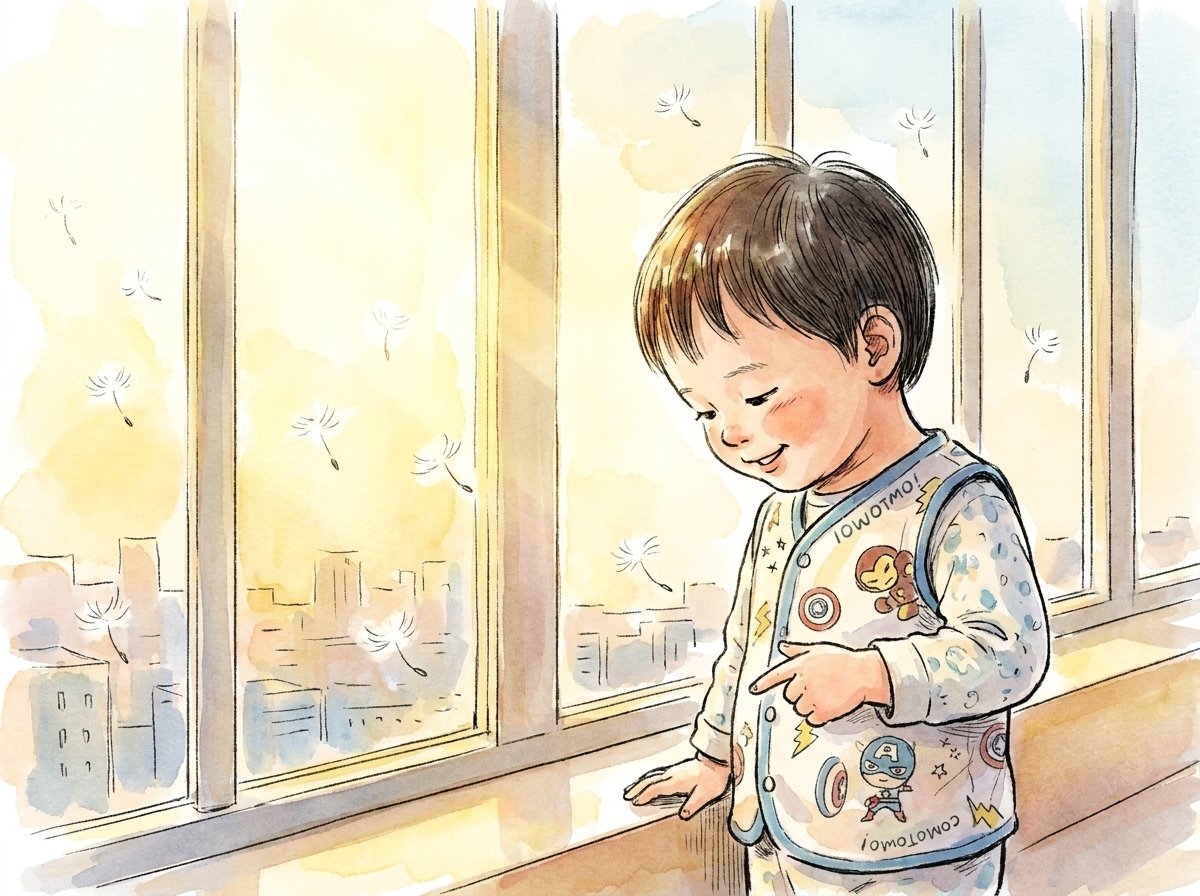
A Healing Ending with Poplar Fluff Rain and a Dream
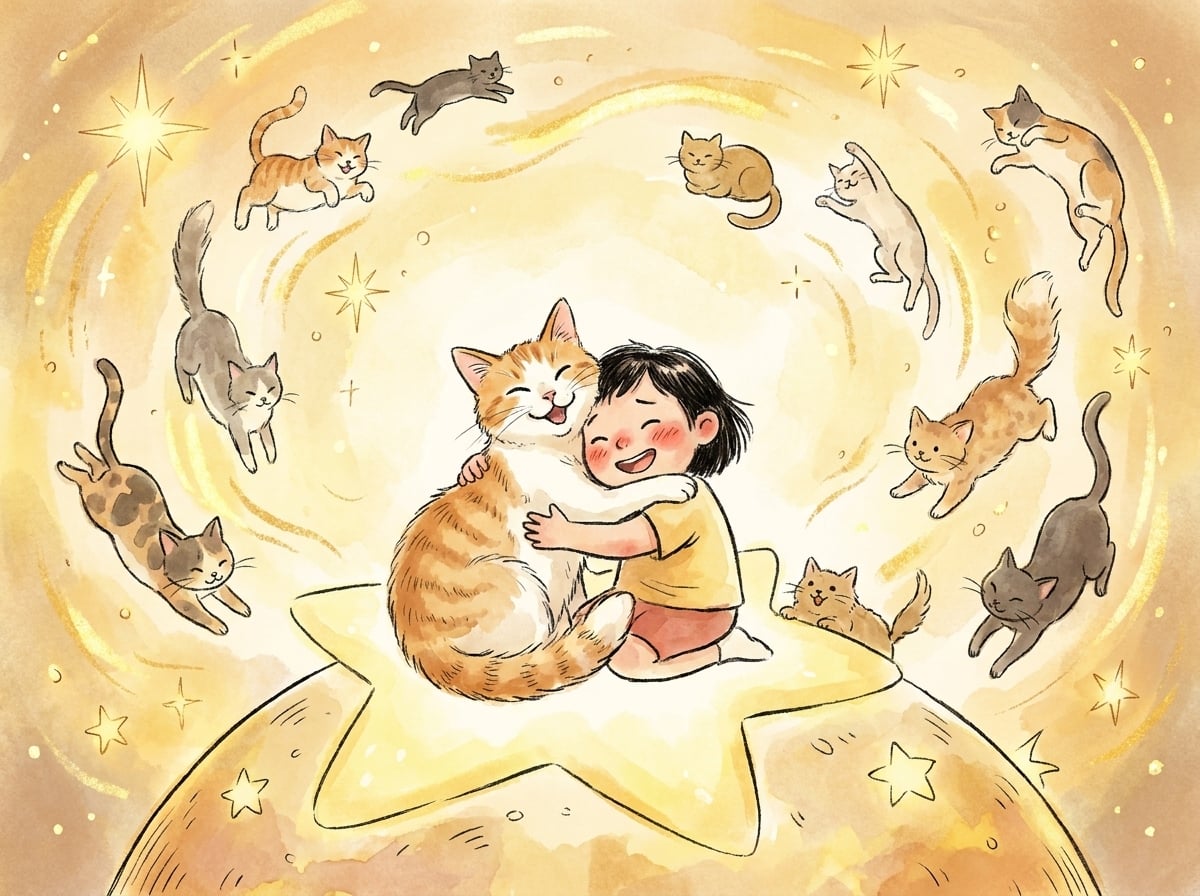
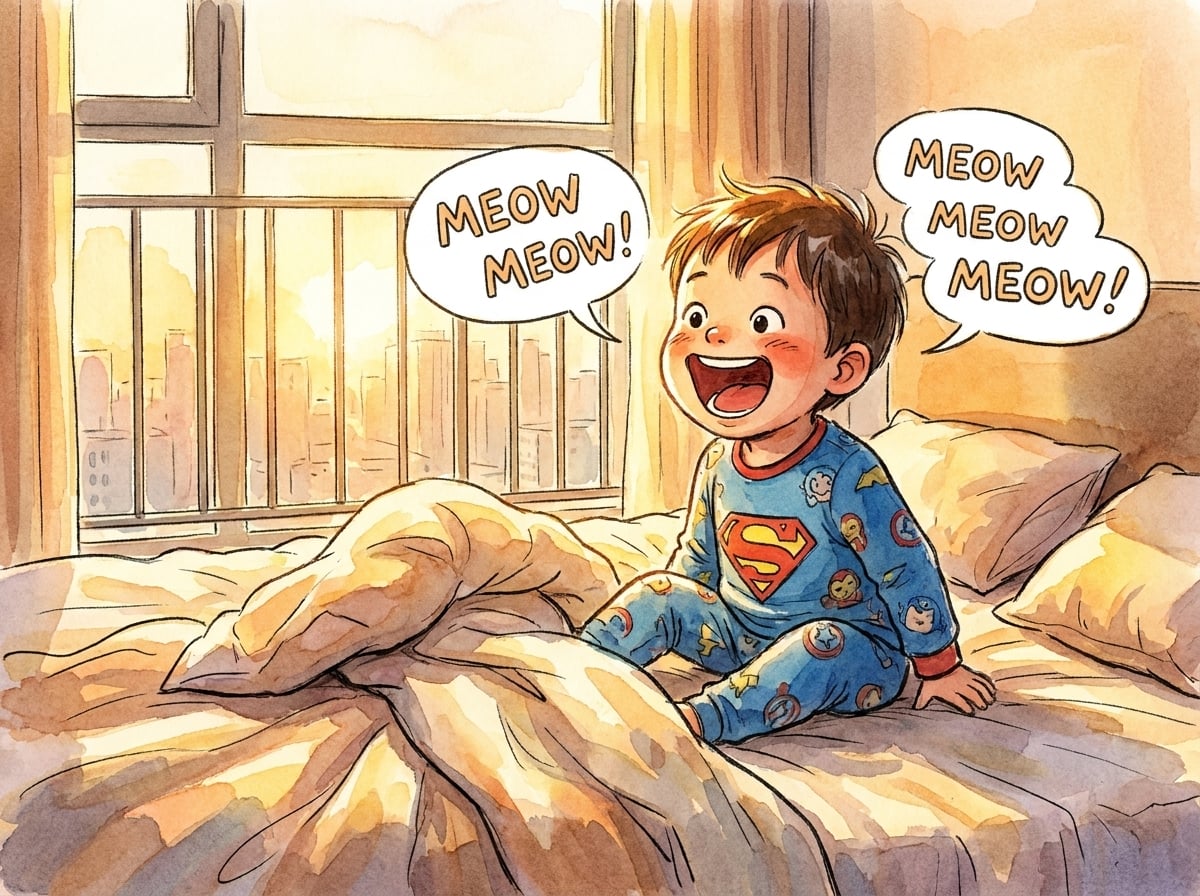
5 reasons every round lands.
No reference images are needed. With just a story outline, Skill can analyze character relationships, scene logic, and emotional pacing, then output a complete sequence of storyboard keyframes.
Skill structures the visuals across four stages—setup → escalation → turning point → ending—so every frame is not just an illustration, but a narrative unit that advances the story’s emotional arc.
From warm daily life to illness and separation to a dreamlike ending, Skill keeps character appearance, lighting style, and color tone consistent across all 12 frames, so the picture book flows seamlessly from page to page.
For subjects like pet loss that are difficult to depict too directly, Skill knows how to express them subtly through off-screen elements such as poplar fluff and planetary imagery, matching the emotional warmth needed for children’s picture books.
All storyboard keyframes are generated in batches at a consistent size, ready to be imported into video-generation tools or handed off to illustrators for final artwork, greatly reducing the cost of turning ideas into execution.

Try Create Movie Storyboards
Creators use it every day. Start from your brief and ship a finished work in minutes — no Photoshop, no designer required.
Try now